Criticism on our writings


Writing, as anything else, is subjective to criticism. People will have no problem telling you that your writings are anything but awesome. If you don’t believe me just go to Amazon and check out reviews of their books, clothes, kitchen appliances and a host of other items.

When my first book came out I had a 1 star rating on it. The only thing is the person said they were reviewing the physical copy. With the book being released on the 13th and if they purchased the book on that day and use 2 day delivery they would have gotten it the 15th. However they found a way to read it as it was being delivered to them and reviewed it on the 14th.

I thought that was rather skillful to read it on route. After talking to Amazon and explaining how this was not possible they removed the review. The same person placed it two or three more times and Amazon removed it each time especially since the person insisted they had purchased a physical copy of it.

You will find people like this regardless of what your product is. And still not everyone will like what you are peddling. Some are nice about it while others want to turn that screwdriver into your skin slowly. Tough skin. We have to have it as writers. Not just through reviews online but through our writing groups or anyone you share your piece with to get their opinion on.

If you don’t have it than be prepared for tears, frustrations, questioning yourself as a writer and in some cases drop what you are doing whether that be for a little bit or once and for all.

Buckle up, it will happen, but stay the course. Also, don’t forget, we all been there and know what it feels like.

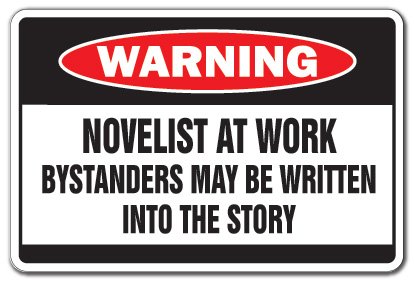
Where do you get your inspiration to write?

I am an avid reader. I been an avid reader since I learned how to read. And while I try to review the books I read if I did that I would never get any writing done for me.

Reading different genres from different authors can get the juices flowing and the excitement stirring to get to work on my latest WIP. Watching movies is another way. Especially the ones that you fall in love with and then you find out it is from a book. That just makes me want to read it to see if they got it right or if they just used the skeleton version of it.

Listening to other people and their projects when they read parts of it in a group can make one excited not just for themselves but for you as well. If you share pieces with a group the feedback can be rewarding and bridge you to the next step. If one attends conferences or are on online forums dedicated to the craft of writing. There you see or feel the buzz that happens when people of the same mind interact with each other.

Perhaps have a notebook for ideas of short stories or novels. If you ever get writer’s block or feel a need to take a break from one WIP you can work on another. The book I use for ideas has way too many ideas. I would have to live very long to get to use them and that is if I even stop adding to the list.

No matter where you get it from if it helps you to write and get passionate about the topic that is what matters.

What is your voice as a writer?

As writers do you know what your voice is?

According to Margaret Maron, creator of Judge Deborah Knott: Voice is the most important ingredient in a successful book. The plot may be clever, but if the voice doesn’t engage us, how can we care?

According to John Morgan Wilson who writes the Benjamin Justice mystery series: There is difference between voice and style though it is difficult to get at. To me voice is closer to attitude and the emotional quality of the prose, reflecting the personality of the author.

According to Chris Roerden: The first step in developing your voice is not to add something but to identify the ineffective writing habit and techniques you’ve picked up over the years and get rid of them.

My Character Development instructor said he knew my voice and I did as well. Funny I thought to myself for my last instructor told me the same thing. This is a trend for people out of my writing groups concur with these teachers. How come everyone knows what my voice is but me? I try hard not to think on this and just write. Apparently I am accomplishing the voice subconsciously.

I have read numerous articles on this topic and when it seems the definition makes sense then a new article comes across my desk and destroys it, enter Jason Pinter , former St. Martin’s Press editor states: Voice is the conversational quality of your writing, the way you “talk” to your reader. It’s as important in writing as it is in conversing aloud with someone or speaking to a group. If your voice isn’t confident, assured, authoritative, natural, and appropriate for your characters and story, the writing will feel stilted, forced, ragged, weak, awkward. Just as speaking aloud is ineffective if one is halting, hesitant, lacking in confidence, and so on .

This one makes sense to me since for now I can’t verbally express my definition of the voice. One good way is to read your story aloud. It may sound silly but it is a good way to hear one’s errors, pace and flow. Perhaps a writer will discover their voice. Will I ever be able to describe this important ingredient to others, I do not know. Hopefully though my voice is being written loud and clear in my writings.

The Musings of A New Englander