Tag Archives: Fiction

The Villain- Part 1

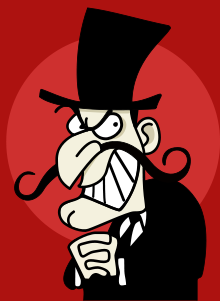
Villain


These are my notes from week 5 of my Character Development class. Again the notes ran long so this will be a two parter.

The villain can be a situation such as stress, sweat, nerves etc. You have to make it a problem for the hero else it will fall flat.

What would you consider the villain to be like is something you need to ask yourself when creating this character.

-The dark side can be the high light of the story

-What seeds did you plant to lay the brickwork that lead to your villain?

-Evil can be situational or can be a person

-When you start creating a villain it is best you don’t show them early in the storyline but instead plant

the seeds. Give the reader suspense.

-Villain vs hero should be written in the first few pages of your storyline. But for the villain make it an image.


Some classic ways to show this is

-the villain enjoys the hero being in pain or sorrow

-focus on the personality and qualities vs the dramatic function of the villain

-get to the root of the characters for both hero and villain


Villain- This character has a very specific function in the story. Make him/her part of the story and by doing so show the personality. Break this character down to the core like you would the hero.

There are 4 elements to a villain

-Antagonist- your anti-hero

-Influence Characters- how they influence the good guy

-Second Most Central Characters

-Bad guy- This you show by the qualities they have and how they are depicted in the story


Antagonist- The goal is to prevent the hero from achieving their goal

-One way is to beat the hero to the prize

-Just disagreeing with the hero can be one way.


People will see the guy who is right as the hero and the one who isn’t as the antagonist

Bad guy-Does not mean he wallows in trouble but ask why they did it. How did they feel about the

situation?

Sometimes the dark side come across as

-defeat

-gang related

-trickster

-temptation

-when bad things happen

This all shapes the villain. It does not have to be specific. They could be the star of the story line if you over shadow your hero. Or your characters could flip-flop from being hero at the beginning and then the villain at the end.

How you want your villain to be in the story has to match up through to the end, any questions you have out there needs to be answered.  In a nutshell, a villain is nailed by their personality type, to do that get to the root of their character. Where are they from, why are they the way they are.

 

Characters Make The Plot- Part 2

Part 2

1-Character vs Character- protagonist vs another character

2-Character vs Nature- A hiker vs the cold Yukon

3-Character vs Society- Jonas vs the norm of his community( popular in YA books)

4-Character vs Self-The character over our own fears, guilt, self-esteem etc.

5-Character vs Fate-Using the example of Stanley in the book “ Holes”. Stanley vs the family curse

One plot will take center stage and become the main plot.

Subplot- A secondary plot strand that is a supporting side story for any story or the main plot. Subplots may connect to main plots, in either time and place or in thematic significance. Subplots often involve supporting characters, those besides the hero and villain.

Situation irony- This is where the ending is the opposite of what the reader thought it would be.

One needs plot, setting and characters all threaded together to give substance to one’s story.  Some authors use multiple themes. Themes add meaning and depth to a story in fiction

There are four elements to make one’s writings complete: setting, character, plot, theme.

Put equal attention to one’s antagonist for you may flip and he soon becomes the good guy or the one that readers attach to Try to give as many problems as possible to make one’s character more developed.

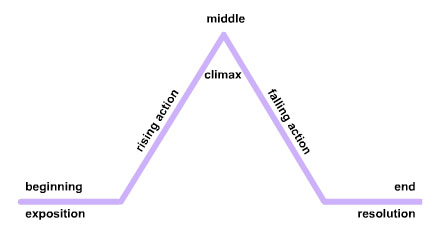
A plot needs to have three elements:

1-Character Emotions-These should be seen in the first five or six sentences of the story. This creates fascination.

2-Dramatic action-This is the action that happens in a novel, screenplay, memoir, short story, or any other kind of writing that causes a character to react and thus be affected by and changed at depth over the duration of the story. This provides excitement.

3-Thematic significance-This is the deliberate step-by-step development of the underlying meaning of the overall project. This portrays the overall story meaning. When the dramatic action changes the character at depth over time, the story becomes thematically significance.

If a writer does not have all three you will lose your audience. The story will falter or get stuck.

This class is moving along pretty well. We are halfway done

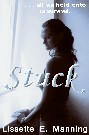
“Stuck”

Stuck” by Lissette E. Manning

Every writer tries to get the right hook for their book or short stories. This author nailed it on the first page. Pages fly as you want to know what happens on the other side. Getting this important part of the puzzle in writing a novel is not easy.

The main character of the story is Annie who is experiencing a post apocalyptic world. Just like the one we read and hear about in books and movies. It starts off with Annie making her way out into the chaos, destruction and ruins of her area while trying to find food for her hungry children. While it is dangerous to be out in the open her kids are starving and will die if food is not found.

The story was a quick read but in it the author managed to give out imagery that we could imagine in our head rather vividly. We felt Annie’s pain, frustration heartache as it fell of the page.

Only one complaint, I wanted to read more about Annie and was not ready for it to end when it did. But in hindsight it did finish at the right spot of the story.

Well done.